
OFDA Explained: How the U.S. Responds to Global Disasters
The Office of U.S. Foreign Disaster Assistance (OFDA) leads and coordinates the U.S. government’s efforts to respond to disasters worldwide. Each year, OFDA responds to an average of 65 disasters across more than 50 countries. These include rapid-onset disasters like earthquakes, volcanic eruptions, and floods, as well as slow-onset crises such as drought and conflict. The office works in partnership with other U.S. government agencies to save lives, reduce human suffering, and lessen the social and economic effects of disasters.
NASA’s UAP Study: Science, Data, and Unexplained Sightings
NASA is putting together a study team this fall to explore unidentified aerial phenomena (UAPs). This fall, NASA will launch a research team to study unidentified aerial phenomena (UAPs) – unexplained events in the sky that don’t align with known aircraft or natural weather patterns. The goal is to examine current data, figure out how to collect better data moving forward and determine how NASA can apply that information to expand scientific understanding of UAPs.

Falls in Older Adults: Risk Factors, Injuries, and Prevention Strategies
Millions of 65 and older experience falls yearly, making them a significant public health concern. Over one in four older adults fall annually, yet fewer than half report these incidents to their healthcare providers. Falling even once doubles the risk of falling again.
US Withdrawal From the Paris Climate Accord Explained
During the G7 summit, the United States took decisive steps to demand fair and reciprocal trade, ensuring a level playing field for American businesses. The administration also made significant progress in the fight against terrorism, encouraging more excellent international contributions to counterterrorism efforts.
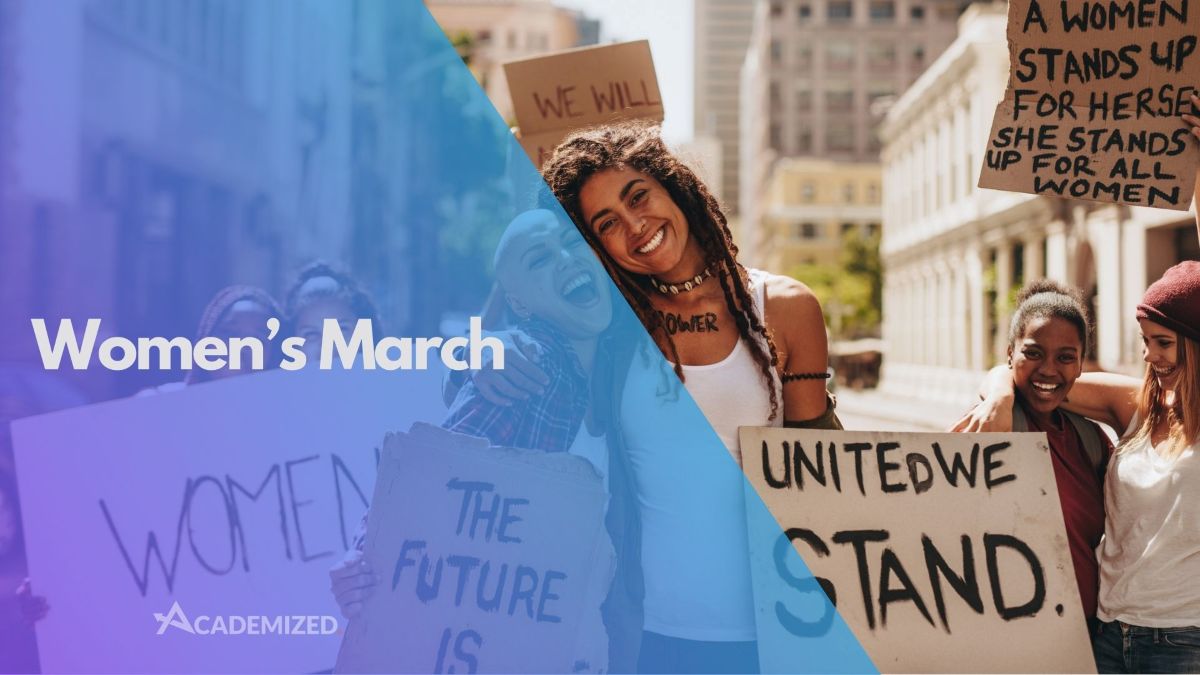
Women’s March as a Study in Activism and Social Change
Women’s March is a women-led movement dedicated to harnessing the political power of diverse women and their communities to drive transformative social change. Through intersectional education, grassroots activism, and community engagement, we create opportunities for new and seasoned organizers to take action. Our work includes training programs, outreach initiatives, and events empowering local communities.
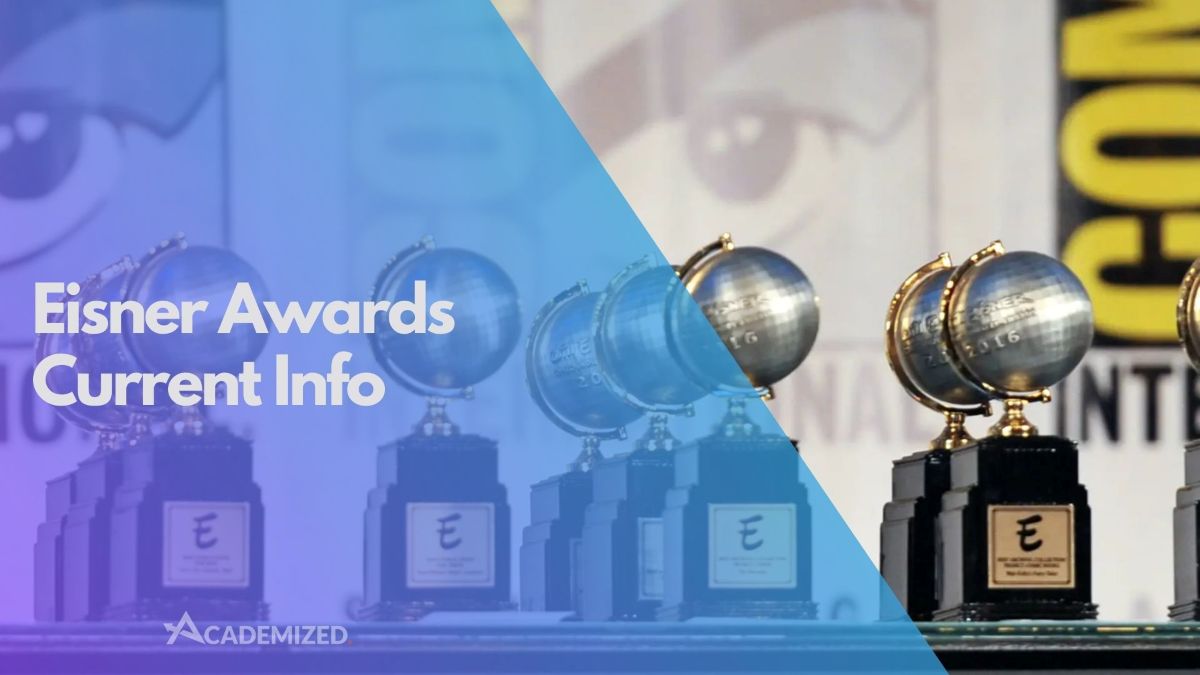
How the Eisner Awards Reflect Trends in Comics and Graphic Literature
Comic-Con International proudly announces the 2016 Will Eisner Comic Industry Awards nominees, celebrating excellence in comics and graphic novels. A blue-ribbon panel of judges made the selections, recognizing outstanding work across 30 award categories.
Individual Rights Under GDPR: A Student Guide
Under the General Data Protection Regulation (GDPR), individuals are granted specific rights that give them greater control over their data. These rights ensure transparency, fairness, and accountability in how organizations collect, use, and manage data. Here’s a quick breakdown of what each of these rights means:
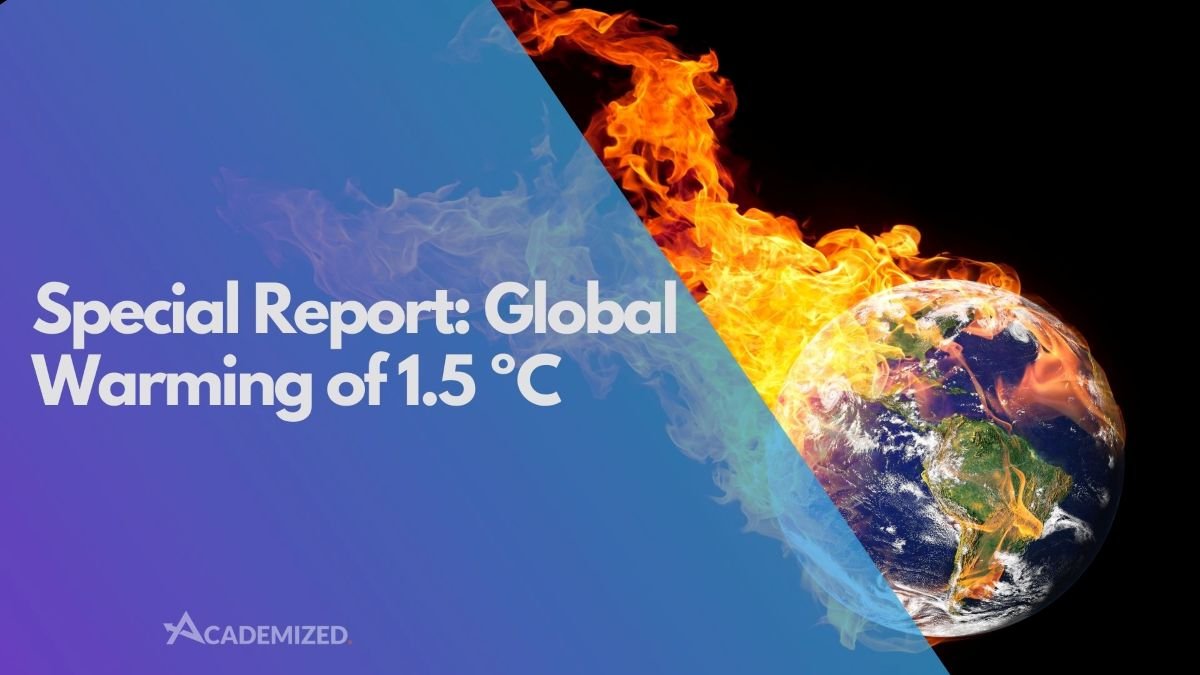
IPCC 1.5°C Report: Key Findings and Policy Impact
This Special Report by the IPCC responds to the request made under the Paris Agreement to assess what a 1.5°C increase in global temperatures means for our planet. It highlights how human activity has already warmed the Earth by approximately 1°C since pre-industrial times and projects that, if trends continue, global temperatures could reach 1.5°C between 2030 and 2052.
Scientific American Frontiers: Where Students Can Find Episodes, Transcripts, and PBS Resources
The show was produced by The Chedd-Angier-Lewis Production Company in collaboration with Scientific American magazine and was presented on PBS by Connecticut Public Television.

Writing Through Fear: What Students Can Learn From Artists
It’s the day after Christmas, after George W. Bush’s re-election. I’m staring out the window, feeling hopeless. I can’t write. I feel stuck and drained – like the energy to keep working has disappeared. Then the phone rings. It’s a fellow artist calling to wish me happy holidays.